 Skip to content

Understanding IPTV and Kabel TV
In the ever-evolving landscape of television technology, IPTV and Kabel TV stand out as two popular options for viewers. Understanding the differences between these two services is crucial for making an informed choice. This section will delve into what IPTV and Kabel TV are, highlighting their unique features and benefits, and ultimately comparing them in the context of IPTV vs Kabel TV.

What is IPTV?
IPTV, or Internet Protocol Television, is a method of delivering television content over the internet rather than through traditional terrestrial, satellite, or cable formats. This technology allows users to stream live TV, on-demand videos, and other multimedia content directly to their devices. Here are some key features of IPTV:
- Content Delivery: IPTV uses a broadband internet connection to deliver content, which means you can watch your favorite shows on various devices, including smart TVs, tablets, and smartphones.
- Interactivity: Unlike traditional cable services, IPTV often offers interactive features such as video on demand (VOD), catch-up TV, and the ability to pause and rewind live broadcasts.
- Customization: Users can often tailor their viewing experience by selecting specific channels or packages that suit their preferences, making IPTV a flexible option.
The advantages of IPTV are numerous. For instance, it typically provides a wider range of channels and content options compared to traditional cable services. Additionally, the ability to access content on multiple devices enhances user convenience. According to a report by Smart IPTV, IPTV services can also be more cost-effective, especially when considering the variety of plans available, which you can explore here.
What is Kabel TV?
Kabel TV, or cable television, is a traditional method of delivering television programming through coaxial or fiber-optic cables. This service has been a staple in households for decades and continues to be a popular choice for many viewers. Here are some defining characteristics of Kabel TV:
- Fixed Channel Lineup: Kabel TV typically offers a set package of channels that viewers subscribe to, which can include local, national, and international programming.
- Reliability: Since Kabel TV relies on physical cables, it often provides a stable connection with fewer interruptions compared to internet-based services, especially in areas with poor internet infrastructure.
- Bundled Services: Many Kabel TV providers offer bundled services that include internet and phone services, making it a convenient option for those looking for a comprehensive package.
While Kabel TV has its advantages, it also has limitations. For example, viewers may find themselves paying for channels they do not watch, and the lack of interactivity can be a drawback for those who prefer on-demand content. In the debate of IPTV vs Kabel TV, many users are increasingly leaning towards IPTV due to its flexibility and modern features.
Comparing IPTV and Kabel TV
When considering IPTV vs Kabel TV, it’s essential to weigh the pros and cons of each service. Here’s a quick comparison:
| Feature | IPTV | Kabel TV |
|---|---|---|
| Delivery Method | Internet-based | Cable-based |
| Interactivity | High (VOD, catch-up TV) | Limited |
| Device Compatibility | Multiple devices | Primarily TV sets |
| Channel Customization | High | Fixed packages |
| Cost | Often more affordable | Can be more expensive |
| Reliability | Depends on internet quality | Generally stable |
In conclusion, both IPTV and Kabel TV have their unique offerings. While IPTV provides a modern, flexible viewing experience with numerous advantages, Kabel TV remains a reliable choice for those who prefer traditional television services. As technology continues to advance, the choice between these two options will largely depend on individual preferences and viewing habits.
For more information on IPTV services, including installation guides and channel lists, visit Smart IPTV or check out their IPTV list. If you have any questions or need assistance, feel free to reach out via WhatsApp.
Advantages of IPTV
In the ongoing debate of IPTV vs cable TV, many users are discovering the numerous advantages that IPTV offers. Internet Protocol Television (IPTV) is revolutionizing how we consume media, providing a more flexible and user-friendly experience compared to traditional cable services. Here, we will explore the key benefits of IPTV and highlight the features that make it stand out in the crowded television landscape.
Key Benefits of IPTV
- Cost-Effectiveness: One of the most significant advantages of IPTV is its affordability. Unlike cable TV, which often comes with hidden fees and long-term contracts, IPTV services typically offer more transparent pricing. Users can choose from various subscription plans that fit their budget, making it a more economical choice for many households.
- Wide Range of Content: IPTV provides access to a vast library of channels and on-demand content. Whether you are interested in live sports, movies, or international programming, IPTV services often include a broader selection than traditional cable. This variety allows users to customize their viewing experience according to their preferences.
- Flexibility and Convenience: With IPTV, you can watch your favorite shows and movies on multiple devices, including smartphones, tablets, and smart TVs. This flexibility means you can enjoy your content anywhere, anytime, as long as you have an internet connection. This is a significant advantage over cable TV, which often restricts viewing to specific devices.
- High-Quality Streaming: IPTV services often provide superior video quality, including HD and 4K options. This high-quality streaming enhances the viewing experience, making it more enjoyable compared to the sometimes inconsistent quality of cable TV.
- Interactive Features: Many IPTV services come with interactive features such as pause, rewind, and record live TV. This level of interactivity is often lacking in traditional cable services, giving IPTV users more control over their viewing experience.
- No Geographical Restrictions: Unlike cable TV, which may be limited by geographical availability, IPTV can be accessed from anywhere in the world. This is particularly beneficial for expatriates or travelers who want to stay connected to their home country’s programming.
IPTV Features That Stand Out
When comparing IPTV vs satellite and IPTV vs cable TV, several features make IPTV particularly appealing:
- User-Friendly Interface: IPTV platforms often feature intuitive interfaces that make navigation easy. Users can quickly find their favorite shows or discover new content without hassle.
- Personalization Options: Many IPTV services allow users to create personalized playlists and recommendations based on their viewing habits. This tailored experience enhances user satisfaction and engagement.
- Multi-Device Support: IPTV services can be accessed on various devices, including smart TVs, laptops, and mobile devices. This multi-device support ensures that users can enjoy their content wherever they are.
- Cloud Storage: Some IPTV providers offer cloud storage options, allowing users to record and store their favorite shows for later viewing. This feature is a significant advantage over traditional cable services, which may charge extra for DVR capabilities.
- Affordable Add-Ons: IPTV services often provide affordable add-ons for premium channels or international content. This flexibility allows users to customize their subscriptions without breaking the bank.
In conclusion, the advantages of IPTV are clear when compared to traditional cable and satellite services. With its cost-effectiveness, extensive content library, and user-friendly features, IPTV is becoming the preferred choice for many viewers. For those interested in exploring IPTV options, check out the Smart IPTV app for a seamless experience. Additionally, you can view the IPTV list to find channels that suit your interests. If you have any questions or need assistance, feel free to reach out via WhatsApp.
By embracing the IPTV vorteile, users can enjoy a modern, flexible, and engaging television experience that meets their needs in today’s digital age.
Advantages of Kabel TV
When considering Kabel TV, many users weigh the options against alternatives like IPTV and satellite services. Understanding the advantages of Kabel TV can help you make an informed decision. This section will explore the benefits of choosing Kabel TV and highlight essential features to consider.
Benefits of Choosing Kabel TV
Kabel TV offers several compelling benefits that make it a popular choice among consumers. Here are some key advantages:
- Stable Connection: Unlike IPTV, which relies on internet connectivity, Kabel TV provides a more stable and reliable connection. This means fewer interruptions and a consistent viewing experience, especially during peak usage times.
- Wide Range of Channels: Kabel TV typically offers a broader selection of channels compared to IPTV. This includes local, national, and international channels, catering to diverse viewing preferences.
- No Internet Dependency: One of the significant advantages of Kabel TV is that it does not depend on internet speed or bandwidth. This is particularly beneficial in areas where internet service may be unreliable or slow.
- High-Quality Picture and Sound: Kabel TV often delivers superior picture and sound quality, especially when compared to IPTV services. This is crucial for viewers who prioritize high-definition content.
- Bundled Services: Many Kabel TV providers offer bundled services that include internet and phone services. This can lead to cost savings and simplified billing.
In contrast to IPTV vs cable TV, Kabel TV stands out for its reliability and quality. While IPTV may offer flexibility and on-demand content, the stability of Kabel TV is a significant advantage for many users.
Kabel TV Features to Consider
When choosing a Kabel TV service, it’s essential to consider various features that can enhance your viewing experience. Here are some critical aspects to keep in mind:
- Channel Packages: Look for providers that offer customizable channel packages. This allows you to select only the channels you want, avoiding unnecessary costs.
- DVR Capabilities: Many Kabel TV services come with Digital Video Recorder (DVR) options, enabling you to record shows and watch them at your convenience. This feature is particularly useful for busy households.
- On-Demand Content: While Kabel TV is primarily known for live broadcasts, many providers now offer on-demand content. This feature allows you to watch movies and shows whenever you want, similar to IPTV services.
- User-Friendly Interface: A user-friendly interface can significantly enhance your viewing experience. Look for services that offer intuitive navigation and easy access to your favorite channels and shows.
- Customer Support: Reliable customer support is crucial. Choose a provider known for excellent customer service, ensuring you can get help when needed.
In summary, when comparing IPTV vs satellite and IPTV vs cable TV, Kabel TV offers unique advantages that cater to traditional viewing preferences. With its stable connection, extensive channel offerings, and additional features, it remains a strong contender in the television service market.
For more information on IPTV options, you can check out the Smart IPTV app or explore various IPTV plans that might suit your needs. If you’re interested in installation guidance, visit the installation guide for detailed instructions.
In conclusion, while both IPTV and Kabel TV have their merits, the advantages of Kabel TV make it a reliable choice for many viewers. Whether you prioritize stability, channel variety, or quality, Kabel TV has something to offer.
Disadvantages of IPTV
While IPTV (Internet Protocol Television) offers numerous advantages, such as flexibility and a wide range of channels, it also comes with its own set of disadvantages. Understanding these drawbacks is essential for anyone considering the switch from traditional cable or satellite services. In this section, we will explore the potential drawbacks of IPTV and the user experience challenges that may arise.
Potential Drawbacks of IPTV
- Dependence on Internet Connection: One of the most significant disadvantages of IPTV is its reliance on a stable and high-speed internet connection. Unlike cable TV, which transmits signals through coaxial cables, IPTV requires a robust internet infrastructure. If your internet connection is slow or unstable, you may experience buffering, lag, or even service interruptions. This can be particularly frustrating during peak usage times when bandwidth is limited.
- Limited Channel Availability: While IPTV services often boast a wide variety of channels, they may not always include all the channels available through traditional cable TV or satellite services. Some niche channels or local broadcasts may be missing, which can be a dealbreaker for viewers who rely on specific programming.
- Potential for Higher Costs: Although many IPTV services advertise lower monthly fees compared to cable, hidden costs can quickly add up. Additional fees for premium channels, equipment rentals, or installation can make IPTV more expensive than anticipated. It’s essential to compare the total costs of IPTV vs cable TV to make an informed decision.
- Quality of Service: The quality of IPTV can vary significantly between providers. Some may offer high-definition content, while others may only provide standard definition. Additionally, the quality can fluctuate based on your internet speed and the time of day. This inconsistency can detract from the viewing experience, especially for those accustomed to the reliability of cable or satellite services.
- Legal and Regulatory Issues: Some IPTV services operate in a legal gray area, which can lead to concerns about the legitimacy of the content being offered. Users may find themselves at risk of service interruptions or legal action if the service provider is not compliant with copyright laws. Always ensure that you choose a reputable provider to avoid these issues.
User Experience Challenges
- User Interface and Navigation: The user interface of IPTV services can vary widely. Some platforms may have intuitive designs, while others can be clunky and difficult to navigate. A poor user experience can lead to frustration, especially for users who are accustomed to the straightforward interfaces of traditional cable TV.
- Device Compatibility: Not all IPTV services are compatible with every device. While many can be accessed via smart TVs, streaming devices, or mobile apps, some may require specific hardware or software. This can limit your viewing options and may necessitate additional purchases, which can be inconvenient.
- Customer Support Issues: Customer support for IPTV services can be hit or miss. Some providers may offer excellent support, while others may leave users feeling stranded. If you encounter technical issues, the lack of responsive customer service can be a significant drawback compared to the support typically offered by cable companies.
- Latency and Delay: IPTV can sometimes experience latency, which is the delay between the time you select a channel and when it actually appears on your screen. This can be particularly noticeable during live events, where every second counts. In contrast, traditional satellite and cable TV services generally provide a more immediate response.
- Content Restrictions: Some IPTV services may impose geographical restrictions on content, limiting access to certain shows or channels based on your location. This can be frustrating for users who wish to access a broader range of programming, especially when compared to the more extensive offerings of cable TV.
In conclusion, while IPTV presents a modern alternative to traditional television services, it is essential to weigh these disadvantages carefully. By understanding the potential drawbacks and user experience challenges, you can make a more informed decision about whether to transition to IPTV. For more information on IPTV options and to explore plans, visit Smart IPTV or check out their installation guide. If you have any questions, feel free to reach out via WhatsApp.
Disadvantages of Kabel TV
While Kabel TV has been a popular choice for many households, it comes with several disadvantages that can impact the viewing experience. Understanding these limitations is crucial, especially when comparing IPTV vs Kabel TV. Below, we delve into the key drawbacks of Kabel TV, including its limitations and customer service issues.
Limitations of Kabel TV
Kabel TV, while offering a range of channels and programming, has inherent limitations that can affect user satisfaction. Here are some of the most notable drawbacks:
- Limited Flexibility: Unlike IPTV, which allows users to choose specific channels and packages, Kabel TV often requires subscribers to purchase bundled packages. This can lead to paying for channels that are rarely watched.
- Geographic Restrictions: Kabel TV services are often limited to specific regions. This means that if you move to a different area, you may not be able to take your service with you, unlike IPTV, which can be accessed anywhere with an internet connection.
- Higher Costs: Many Kabel TV providers charge higher monthly fees compared to IPTV services. This can be a significant factor for budget-conscious consumers. According to recent studies, the average monthly cost of Kabel TV can be up to 30% higher than that of IPTV options.
- Equipment Rental Fees: Kabel TV often requires the use of specific equipment, such as set-top boxes, which may come with additional rental fees. In contrast, IPTV services typically allow users to stream content on various devices without extra hardware.
- Limited On-Demand Content: While Kabel TV does offer some on-demand options, it often pales in comparison to the extensive libraries available through IPTV services. This limitation can be frustrating for viewers who prefer binge-watching their favorite shows.
Customer Service and Support Issues
Another significant disadvantage of Kabel TV is the customer service and support issues that many users encounter. Here are some common problems:
- Long Wait Times: Many Kabel TV providers are notorious for having long wait times for customer support. This can be particularly frustrating when technical issues arise, as users may be left without service for extended periods.
- Inconsistent Service Quality: Customer experiences can vary widely, with some users reporting excellent service while others face unhelpful representatives. This inconsistency can lead to dissatisfaction and frustration.
- Limited Support Channels: Unlike many IPTV providers that offer multiple support channels, such as live chat, email, and phone support, Kabel TV companies may have limited options. This can make it difficult for customers to get timely assistance.
- Lack of Transparency: Many Kabel TV providers do not clearly communicate their pricing structures or service limitations. This lack of transparency can lead to unexpected charges and confusion about service terms.
In summary, while Kabel TV has its advantages, the disadvantages are significant when compared to alternatives like IPTV. The limitations in flexibility, higher costs, and customer service issues can make it less appealing for many consumers. If you’re considering a switch, exploring the iptv vs cable tv debate can provide valuable insights into which service best meets your needs.
For more information on IPTV options, check out the Smart IPTV app or explore our IPTV list. If you’re ready to make the switch, visit our plans page for more details. For installation guidance, refer to our installation instructions. If you have any questions, feel free to reach out via WhatsApp.
Cost Comparison: IPTV vs Kabel TV
When considering IPTV vs Kabel TV, one of the most significant factors to evaluate is the cost associated with each service. Understanding the pricing structures can help consumers make informed decisions based on their viewing habits and budget. Below, we delve into the pricing overview for both IPTV services and Kabel TV services, highlighting the key differences and advantages.
Pricing Overview for IPTV Services
IPTV, or Internet Protocol Television, has gained popularity due to its flexibility and variety of content. The pricing for IPTV services can vary widely based on the provider and the package chosen. Here are some key points to consider:
- Monthly Subscription Costs: Most IPTV services offer monthly subscriptions ranging from $10 to $50. This price often depends on the number of channels, the quality of the streams (SD, HD, or 4K), and additional features like cloud DVR.
- Setup Fees: Some providers may charge a one-time setup fee, which can range from $20 to $100. However, many IPTV services, such as those found on Smart IPTV, often provide easy installation guides to minimize these costs.
- No Long-Term Contracts: Unlike traditional cable services, many IPTV providers do not require long-term contracts. This flexibility allows users to switch services without incurring penalties, making it a cost-effective option for many.
- Additional Costs: While the base subscription may seem affordable, users should be aware of potential additional costs, such as premium channel packages or pay-per-view events.
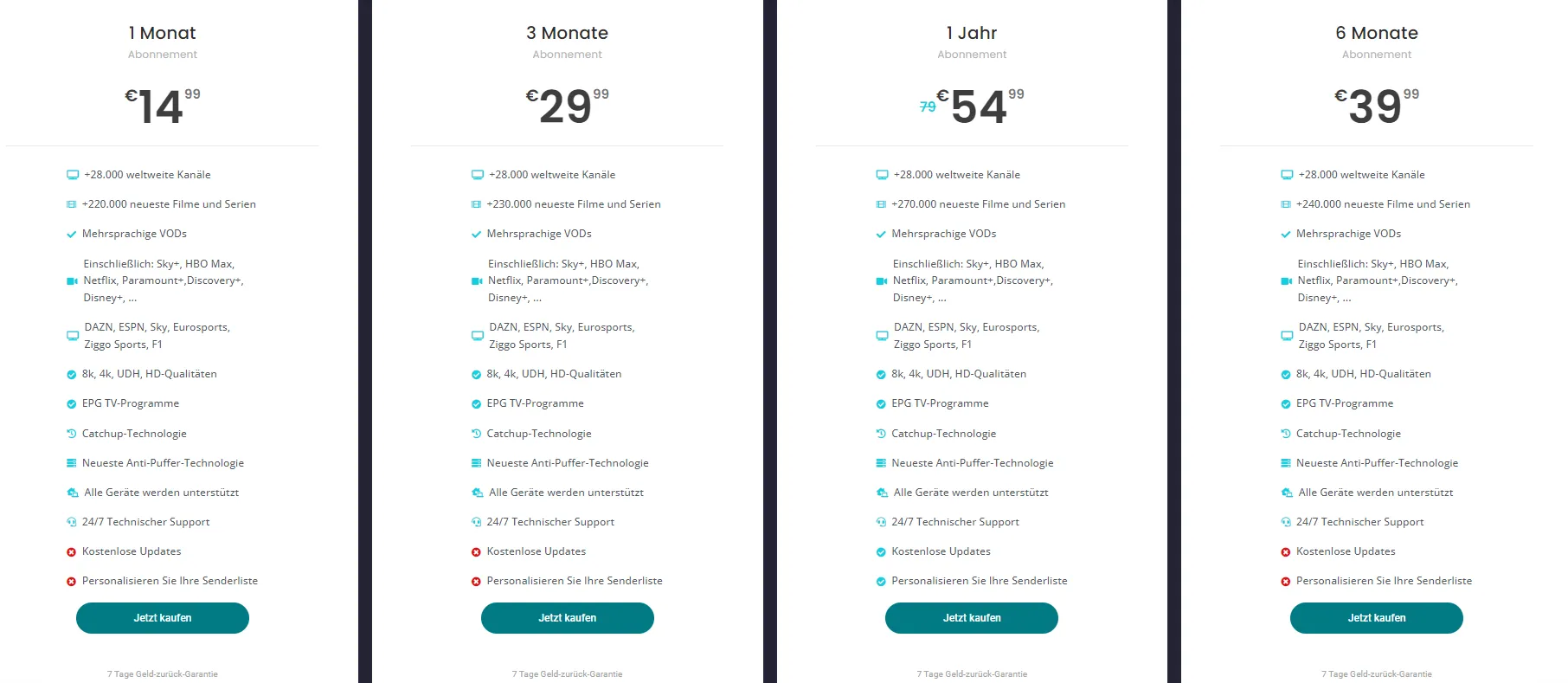
In summary, IPTV services can be a more affordable option compared to traditional cable, especially when considering the variety of content and the absence of long-term commitments. For a detailed list of IPTV options, check out the IPTV list.
Pricing Overview for Kabel TV Services
Kabel TV, or cable television, has been a staple in home entertainment for decades. However, its pricing structure can be quite different from that of IPTV. Here’s what you need to know:
- Monthly Subscription Costs: Kabel TV services typically range from $50 to $150 per month, depending on the package. Basic packages may offer fewer channels, while premium packages can include hundreds of channels, including sports and movie channels.
- Equipment Rental Fees: Many Kabel TV providers charge a monthly fee for equipment rental, such as set-top boxes or DVRs. This can add an additional $10 to $20 to your monthly bill.
- Long-Term Contracts: Most Kabel TV services require customers to sign long-term contracts, often locking them in for 12 to 24 months. This can lead to higher costs if you decide to cancel early.
- Hidden Fees: Kabel TV services may also include hidden fees, such as installation fees, regional sports fees, and taxes, which can significantly increase the overall cost.
In conclusion, while Kabel TV may offer a wide range of channels, the costs can add up quickly due to equipment fees and long-term contracts. For those looking for flexibility and lower costs, IPTV vs Kabel TV shows that IPTV can often be the more economical choice.
Final Thoughts
When comparing IPTV vs Kabel TV, it’s essential to consider not just the monthly costs but also the overall value each service provides. IPTV offers flexibility, a wide range of content, and often lower prices, while Kabel TV may provide a more traditional viewing experience but at a higher cost.
For more information on IPTV plans and installation, visit Smart IPTV Plans or check out the installation guide. If you have any questions or need assistance, feel free to reach out via WhatsApp.
In the end, the choice between IPTV and Kabel TV will depend on your viewing preferences, budget, and the specific features you value most.
Technical Differences Between IPTV and Kabel TV
When comparing IPTV vs Kabel TV, it’s essential to understand the technical differences that set these two technologies apart. Both systems deliver television content, but they do so using different methods and infrastructures.
How IPTV and Kabel TV Differ Technically
IPTV (Internet Protocol Television) utilizes the internet to deliver television programming. This means that content is streamed over a broadband connection, allowing for a more flexible viewing experience. In contrast, Kabel TV (Cable Television) transmits signals through coaxial or fiber-optic cables directly to the viewer’s television set.
Here are some key technical differences:
- Transmission Method:
- IPTV: Uses internet protocols to stream content.
- Kabel TV: Relies on physical cables for signal transmission.
- Infrastructure:
- IPTV: Requires a stable internet connection, which can be affected by bandwidth limitations.
- Kabel TV: Operates independently of internet speed, providing a consistent signal quality.
- Content Delivery:
- IPTV: Offers on-demand content and interactive features, allowing users to choose what to watch and when.
- Kabel TV: Primarily provides live broadcasts, with limited on-demand options.
- Device Compatibility:
- IPTV: Can be accessed on various devices, including smart TVs, smartphones, and tablets.
- Kabel TV: Typically requires a cable box or a compatible television.
These differences highlight the flexibility and modernity of IPTV compared to the traditional approach of Kabel TV. For more insights on IPTV technology, you can check out the Smart IPTV app.
Quality Comparison: IPTV vs Kabel TV
When it comes to quality, both IPTV and Kabel TV have their strengths and weaknesses. The quality of the viewing experience can depend on several factors, including the type of content, the technology used, and the viewer’s internet connection.
- Video Quality:
- IPTV: Often supports higher resolutions, including HD and 4K, depending on the internet speed. However, if the bandwidth is insufficient, it may lead to buffering or lower quality.
- Kabel TV: Generally provides stable quality since it does not rely on internet speed. Most Kabel TV services offer HD content consistently.
- Audio Quality:
- IPTV: Can offer advanced audio formats, such as Dolby Digital, enhancing the viewing experience.
- Kabel TV: Typically provides standard audio formats, which may not be as immersive.
- Reliability:
- IPTV: Performance can fluctuate based on internet connectivity. A poor connection can lead to interruptions.
- Kabel TV: More reliable in terms of consistent service, as it is less susceptible to internet issues.
In summary, while IPTV offers flexibility and advanced features, Kabel TV provides a more stable and reliable viewing experience. For those considering the switch, understanding the iptv vorteile (advantages) can help in making an informed decision.
For further information on IPTV plans and options, visit Smart IPTV Plans. If you’re interested in exploring IPTV channels, check out the IPTV Liste.
In conclusion, the choice between IPTV vs Kabel TV ultimately depends on individual preferences and viewing habits. Whether you prioritize flexibility or reliability, both options have unique benefits that cater to different audiences.
Which Option is Right for You?
When deciding between IPTV vs. Kabel TV, it’s essential to evaluate your specific needs and preferences. Both options offer unique advantages and disadvantages, making it crucial to consider various factors before making a choice. Below, we explore the key elements to help you determine which service aligns best with your viewing habits and lifestyle.
Factors to Consider When Choosing
Content Variety:
IPTV typically provides a broader range of channels and on-demand content. With services like Smart IPTV, users can access international channels and niche programming that may not be available on traditional cable.
Kabel TV, on the other hand, often focuses on local and regional channels, which might be sufficient for viewers who prefer familiar programming.
Cost:IPTV services can be more cost-effective, especially when considering the variety of content available. Many IPTV providers offer flexible subscription plans, allowing users to choose packages that fit their budget. For example, check out the plans available here.
Kabel TV usually comes with a fixed monthly fee, which can be higher due to equipment rental and installation costs.
Installation and Setup:
IPTV requires a stable internet connection and can often be set up quickly through apps like the Smart IPTV app. This ease of installation is a significant advantage for tech-savvy users.
Kabel TV may involve professional installation, which can be inconvenient and time-consuming.
Quality of Service:
IPTV can offer high-definition streaming, but the quality is heavily dependent on your internet speed. Users with slower connections may experience buffering or lower quality.
Kabel TV generally provides a consistent quality of service, as it relies on physical cables rather than internet bandwidth.
Flexibility and Mobility:
IPTV allows for viewing on multiple devices, including smartphones, tablets, and smart TVs. This flexibility is ideal for users who want to watch content on the go.
Kabel TV is typically limited to a single location, making it less convenient for those who travel frequently.
Recommendations Based on User Needs
- For Budget-Conscious Viewers: If you’re looking for a cost-effective solution with a wide range of channels, IPTV is likely the better choice. With various subscription options, you can find a plan that suits your financial situation. Additionally, the IPTV Vorteile (advantages) include access to international content and the ability to watch on multiple devices.
- For Traditionalists: If you prefer a straightforward viewing experience with reliable service, Kabel TV might be more suitable. It offers a familiar setup and consistent quality, making it a good option for those who are less tech-savvy.
- For On-the-Go Viewers: If you travel frequently or enjoy watching content on various devices, IPTV is the clear winner. Its flexibility allows you to stream your favorite shows anywhere, as long as you have an internet connection.
- For Families: If your household has diverse viewing preferences, IPTV can cater to everyone’s tastes with its extensive channel offerings. You can easily switch between genres and languages, ensuring that all family members find something they enjoy.
In conclusion, the choice between IPTV vs. Kabel TV ultimately depends on your viewing habits, budget, and preferences. By considering the factors outlined above, you can make an informed decision that enhances your entertainment experience. For more information on installation and setup, visit our installation guide. If you have any questions or need assistance, feel free to reach out via WhatsApp.
Conclusion: Making the Right Choice
In the debate of IPTV vs cable TV, making the right choice ultimately depends on your viewing preferences, budget, and the features you value most. Both options have their unique advantages and disadvantages, which can significantly impact your overall viewing experience.
Summary of Key Points
When comparing IPTV vs cable TV, consider the following key points:
- Content Variety: IPTV services often provide a broader range of channels and on-demand content compared to traditional cable TV. This is particularly true for niche channels and international programming.
- Cost Efficiency: Generally, IPTV services can be more cost-effective. Many providers offer flexible subscription plans that allow you to pay only for the channels you want. In contrast, cable TV often comes with bundled packages that may include channels you never watch.
- Quality of Service: IPTV can deliver high-definition content and even 4K streaming, depending on your internet speed. However, cable TV is known for its reliability, especially in areas with poor internet connectivity.
- Installation and Setup: Setting up IPTV is usually straightforward, often requiring just an app download and a stable internet connection. Cable TV, on the other hand, may involve professional installation and equipment rental fees.
- Flexibility and Mobility: With IPTV, you can watch your favorite shows on various devices, including smartphones, tablets, and smart TVs. This flexibility is a significant advantage over cable TV, which typically ties you to a specific location.
- User Experience: IPTV services often come with advanced features like pause, rewind, and record options, enhancing the overall user experience. Cable TV may lack some of these modern conveniences.
Call to Action
As you weigh your options between IPTV vs cable TV, consider your viewing habits and preferences. If you value flexibility, a wide range of content, and cost savings, IPTV might be the better choice for you. For those who prefer a traditional setup with reliable service, cable TV could be the way to go.
To explore the benefits of IPTV further, check out our Smart IPTV app for a seamless viewing experience. If you’re ready to make the switch, visit our plans page to find a subscription that fits your needs. For a comprehensive list of channels available, take a look at our IPTV list.
For installation guidance, refer to our installation instructions to get started quickly. If you have any questions or need assistance, feel free to reach out via WhatsApp.
In conclusion, whether you choose IPTV or cable TV, understanding the iptv vorteile and the differences between these services will help you make an informed decision that enhances your entertainment experience.
